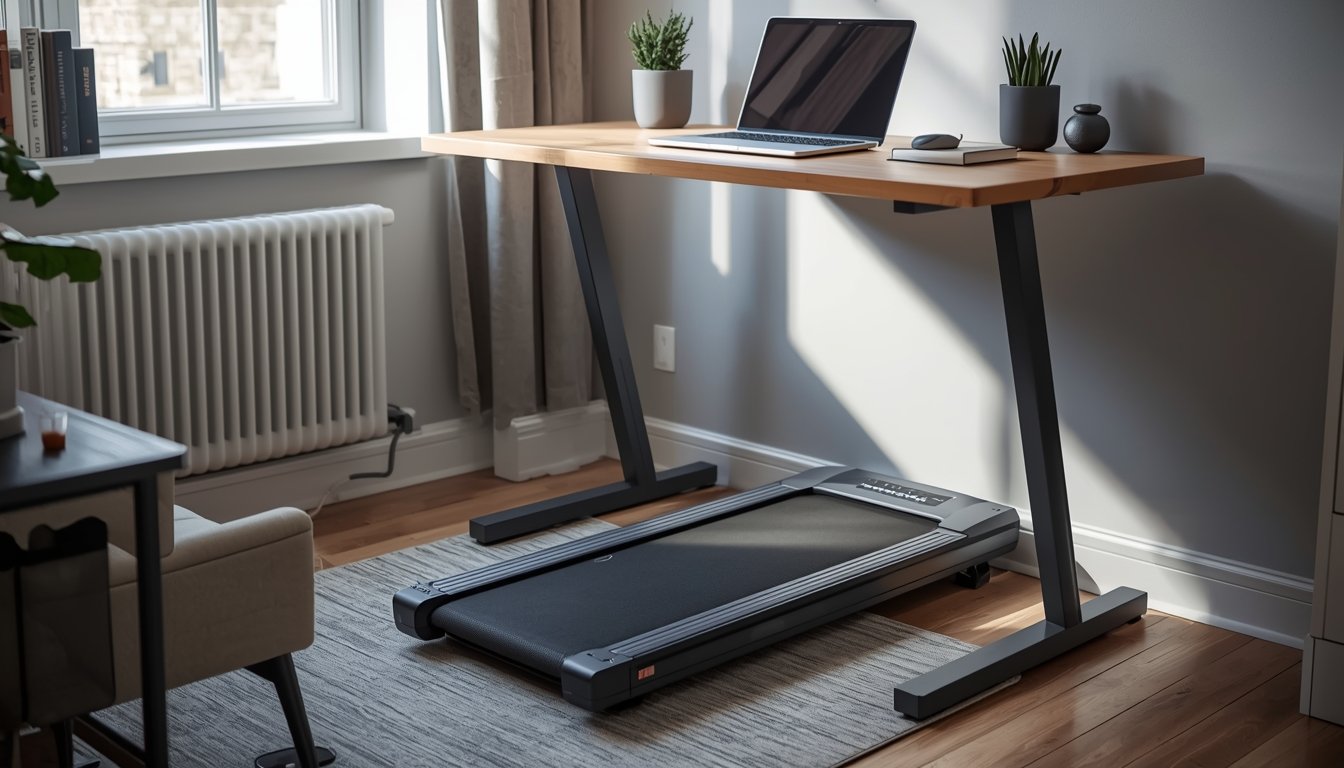
Yes, walking pads can be a good option for heavy users, but only if you choose a model with a suitable weight capacity and stable design. Lower-capacity models may feel unstable or wear out quickly, so selecting the right type is essential for both safety and long-term use.
What Heavy Users Need to Look for in a Walking Pad
The most important factor is weight capacity, but it is not the only thing that matters. Many walking pads list a maximum weight limit, but performance can start to decline before you reach that number. For example, a 120 kg-rated machine may technically support that weight, but it may feel less stable or struggle with consistent speed over time.
A better approach is to choose a walking pad with a higher capacity than you actually need. This creates a buffer that improves stability and reduces strain on the motor.
Key things to prioritise:
- Weight capacity of at least 120–150 kg for better stability
- Solid frame construction that does not flex during use
- Wider walking belt for more comfortable footing
- Consistent motor performance at low speeds
In most homes, stability becomes noticeable very quickly. If the walking pad shifts slightly or feels uneven underfoot, it will be uncomfortable to use daily. This is especially important if you are working at a desk at the same time.
Stability, Comfort, and Daily Use
For heavier users, comfort and stability are closely linked. A walking pad that feels solid underfoot will naturally be more comfortable to use for longer periods.
One common issue is belt movement. On lower-quality models, the belt may feel slightly uneven or require frequent adjustment. This becomes more noticeable with higher body weight and can interrupt your walking rhythm.
Another factor is surface setup. A stable base makes a big difference. If you are unsure how your floor setup affects performance, this guide on walking pads on hard floor vs carpet explains how different surfaces impact stability and comfort.
In terms of daily use, most heavy users find that walking at moderate speeds (rather than pushing higher speeds) provides the best balance between comfort and consistency. Walking pads are designed primarily for steady movement, not intense workouts.
When a Walking Pad May Not Be the Right Fit
While many walking pads work well for heavier users, there are situations where they may not be the best option.
- If the weight capacity is too close to your body weight
- If the walking surface feels too narrow or restrictive
- If the unit moves or vibrates excessively during use
- If you plan to use it for high-speed walking or jogging
In these cases, a more robust model with higher capacity or added support (such as a handle) may be a better fit.
The key takeaway is that walking pads can work very well for heavy users, but only when chosen carefully. A stable, well-built model with a higher weight limit will feel more comfortable, last longer, and be much easier to use as part of your daily routine.
Related Guides