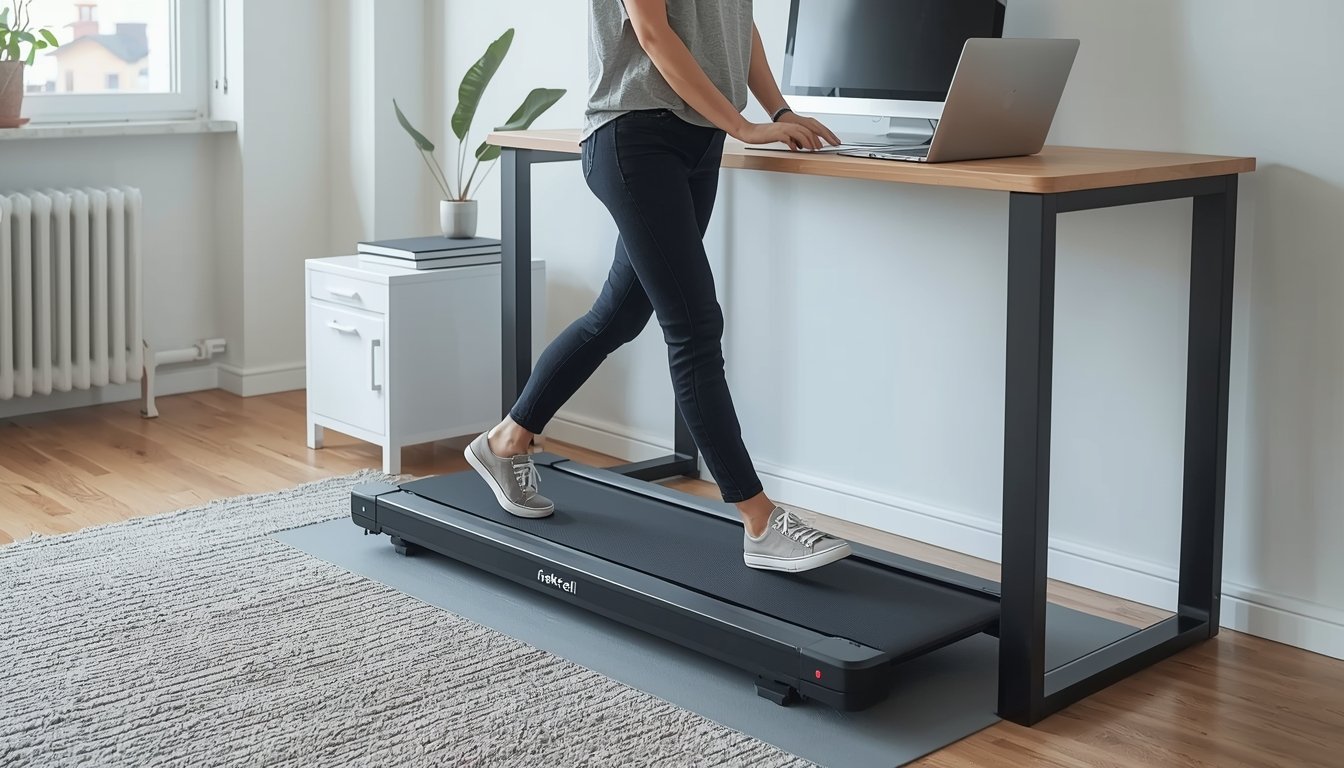
Yes, walking pads are a good option for beginners because they are simple to use, low-impact, and easy to integrate into a daily routine. They allow you to start moving at a comfortable pace without needing prior fitness experience or a structured workout plan.
Why Walking Pads Are Beginner-Friendly
One of the main advantages for beginners is how easy walking pads are to use. There is no complex setup, and most models have straightforward controls that let you adjust speed gradually. This makes it easy to start slow and build confidence over time.
Unlike traditional treadmills, walking pads are designed for steady walking rather than running. This reduces the risk of overexertion and makes them more approachable for people who are new to exercise or returning after a break.
They also fit naturally into everyday routines. Instead of setting aside time for a workout, you can use a walking pad while working, watching something, or doing light tasks. This lowers the barrier to getting started and makes it easier to stay consistent.
If you are unsure how to structure your sessions, this guide on how long you can walk on a walking pad while working explains how to build a simple routine that feels manageable.
Another benefit is that walking is a familiar movement. You are not learning a new skill, which makes it easier to focus on comfort and consistency rather than technique.
Common Beginner Mistakes and How to Avoid Them
While walking pads are simple to use, beginners often make a few common mistakes that can affect comfort and consistency.
- Starting at speeds that are too fast
- Trying to walk for long periods straight away
- Using an unstable or cramped setup
- Expecting quick results instead of focusing on consistency
Starting too fast is one of the most common issues. It can make the walking pad feel harder to control and reduce your ability to stay focused, especially if you are working at the same time. Slower speeds are more practical and easier to maintain.
Another mistake is trying to walk for long sessions from the beginning. Short, manageable sessions are more effective and help you build a routine without feeling fatigued.
Your setup also matters. A stable surface and enough space to move comfortably will make the experience feel much easier. If the walking pad feels awkward or cramped, it becomes harder to use consistently.
How to Get Started the Right Way
The best approach for beginners is to keep things simple and focus on building a routine that feels natural.
- Start with short sessions and increase gradually
- Use slow speeds that allow you to stay comfortable
- Combine walking with easy tasks like emails or calls
- Focus on consistency rather than intensity
You do not need to use the walking pad for long periods to see benefits. Even short sessions throughout the day can help reduce inactivity and make movement part of your routine.
Over time, as you become more comfortable, you can adjust your speed and duration to suit your needs. The key is to start at a level that feels easy and build from there.
For most beginners, walking pads are an effective and practical way to stay active without overcomplicating the process. They provide a simple entry point into regular movement that can be maintained long term.
If you are just getting started, choosing a simple and easy-to-use model can make a big difference. This guide to walking pads for small apartments focuses on compact, beginner-friendly options that are easier to set up and use daily.