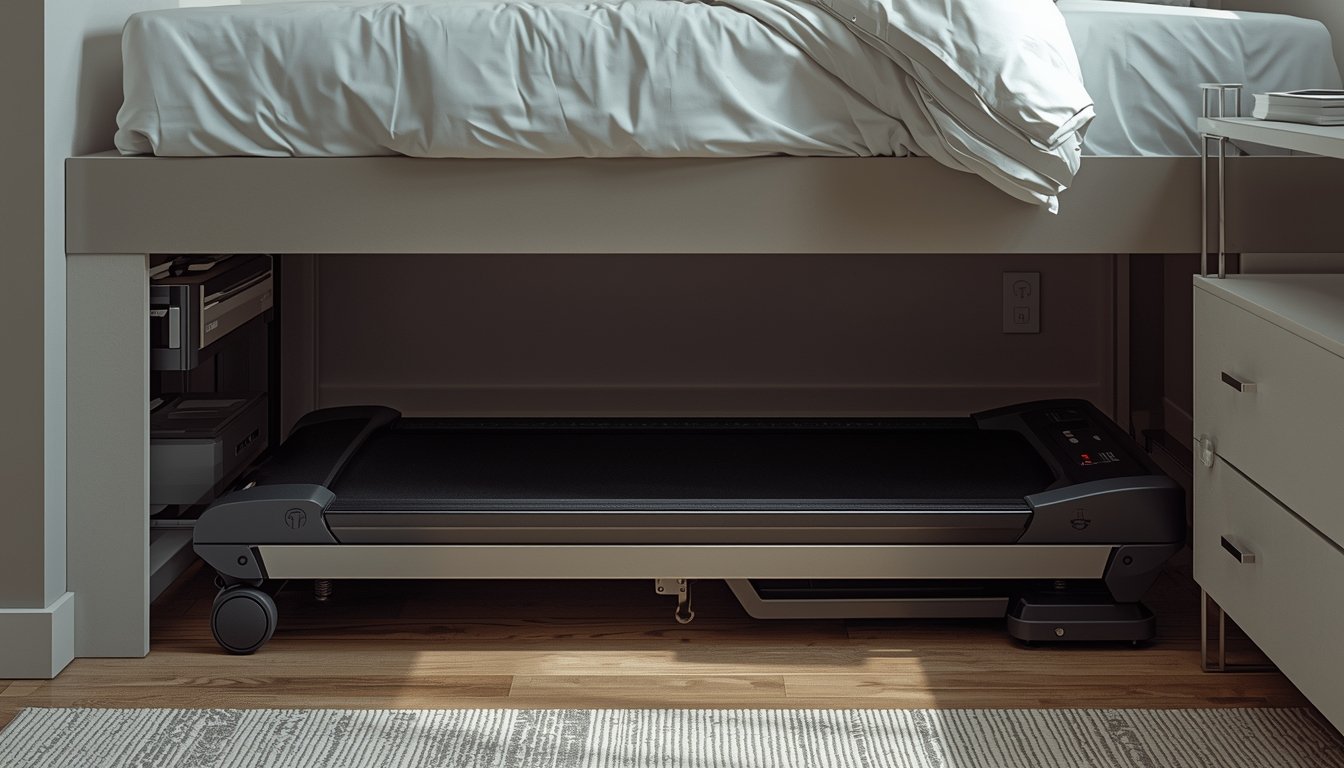
Yes, walking pads are generally safe to use in upstairs apartments, as long as they are set up properly and used at appropriate speeds. The main concern is not structural safety, but noise and vibration affecting neighbours below.
What Safety Means in an Upstairs Apartment
From a structural point of view, walking pads are lightweight compared to traditional treadmills. Most models are well within the load limits of standard apartment flooring, even when combined with body weight. This means there is very little risk of damage to the structure itself.
The real issue is how the walking pad interacts with the floor. When you walk, each step creates a small impact that travels through the surface. On an upper level, this can transfer downward as vibration, which may be noticeable in the apartment below.
This is why the type of flooring matters. Hard floors tend to transmit vibration more easily, while carpet can absorb some of it. If you are unsure how your flooring affects performance, this guide on walking pads on hard floor vs carpet explains what changes between surfaces.
Another factor is speed. Walking at a slow, steady pace creates much less impact than faster walking or jogging. For most work-from-home setups, slower speeds are not only more practical but also quieter and more neighbour-friendly.
How to Reduce Noise and Vibration Upstairs
If you want to use a walking pad in an upstairs apartment without causing disturbance, small adjustments can make a big difference.
- Use a dense protective mat to absorb vibration
- Keep walking speeds low and consistent
- Wear cushioned shoes to soften foot impact
- Place the walking pad away from shared walls if possible
- Avoid using it early in the morning or late at night
A mat is one of the most effective solutions. It creates a buffer between the walking pad and the floor, reducing how much vibration transfers through the structure. This is especially useful on hard flooring, where sound tends to travel more easily.
Positioning also helps. Placing the walking pad in an area that is not directly above a bedroom or living space below can reduce the likelihood of disturbance.
If noise is your main concern, choosing a quieter model can make a big difference in how suitable a walking pad is for an upstairs apartment. This guide to quiet walking pads for office use highlights options designed to minimise sound and vibration during everyday use.
When a Walking Pad May Not Be Ideal Upstairs
While walking pads are generally suitable for upstairs use, there are situations where extra caution is needed.
- Very thin flooring with minimal sound insulation
- Highly sensitive neighbours or shared living environments
- Using the walking pad at higher speeds for long periods
- Unstable setups that increase vibration and movement
In these cases, you may need to adjust how and when you use the walking pad rather than avoiding it completely. Lower speeds, shorter sessions, and better surface setup can usually resolve most concerns.
The key takeaway is that walking pads are safe for upstairs apartments, but managing noise and vibration is essential. With the right setup, they can be used comfortably without causing disruption to others in the building.