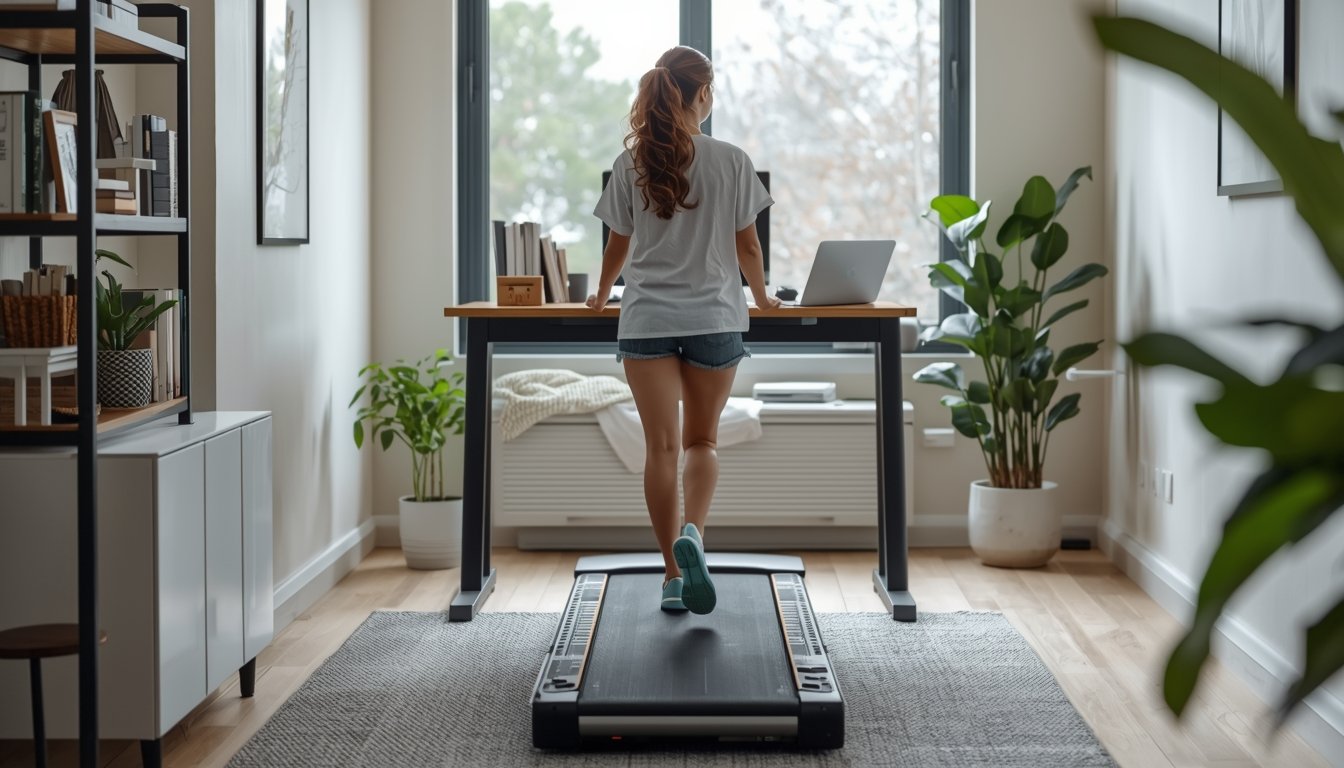
Yes, you can use a walking pad on carpet, but it depends on the type of carpet and how stable the surface is. Low-pile carpet generally works fine, while thick or soft carpet can affect stability and performance if you do not use a firm base or mat.
When Carpet Works Well (and When It Doesn’t)
In most homes, walking pads perform well on carpet if the surface is relatively firm and even. Low-pile carpet, like what you typically find in apartments or home offices, provides enough support for the walking pad to sit flat without excessive movement.
Problems usually start when the carpet is too soft or thick. Plush carpet or heavy underlay can compress under the weight of the machine, which can make the walking pad feel slightly unstable. This is not always dangerous, but it can feel uncomfortable and less controlled, especially during longer sessions.
Common signs that carpet is affecting performance include:
- The walking pad feels slightly uneven or tilted
- There is a soft or “sinking” feeling underfoot
- The machine shifts slightly during use
- Speed feels inconsistent even at steady settings
If you notice any of these, the issue is usually the surface rather than the machine itself.
For a more detailed comparison of how surfaces affect performance, this guide on walking pad use on hard floor vs carpet explains the differences in stability and noise.
How Carpet Affects Stability, Noise, and Performance
Carpet changes how a walking pad behaves in three main ways: stability, noise, and motor load.
Stability is the most noticeable difference. On carpet, especially thicker types, the base of the walking pad may not sit completely flat. This can slightly alter how your steps feel, making the walking experience less consistent. For casual walking, this may not be a major issue, but for daily use, it becomes more noticeable.
Noise is often reduced on carpet. The softer surface absorbs some of the vibration from footsteps, which can make the walking pad feel quieter compared to hard flooring. This is one of the main advantages of using carpet, particularly in apartments or shared spaces.
However, there is also a small impact on performance. When the walking pad sits on a soft surface, the motor may need to work slightly harder to maintain speed. This is usually not a problem for occasional use, but over time it can contribute to wear if the machine is used heavily.
How to Use a Walking Pad Safely on Carpet
If you plan to use your walking pad on carpet regularly, a few simple adjustments can make a big difference.
- Use a firm protective mat to create a stable base
- Position the walking pad on the flattest part of the carpet
- Avoid thick rugs or layered surfaces underneath
- Check that the machine does not shift during use
- Start at lower speeds to test stability before increasing
A thin, dense mat is usually the best solution. It reduces surface compression and helps the walking pad sit more evenly, which improves both comfort and stability.
In most cases, once the setup is stable, using a walking pad on carpet becomes just as practical as using it on hard flooring. The key is making sure the surface supports the machine properly so it feels consistent and secure during everyday use.
Related Guides