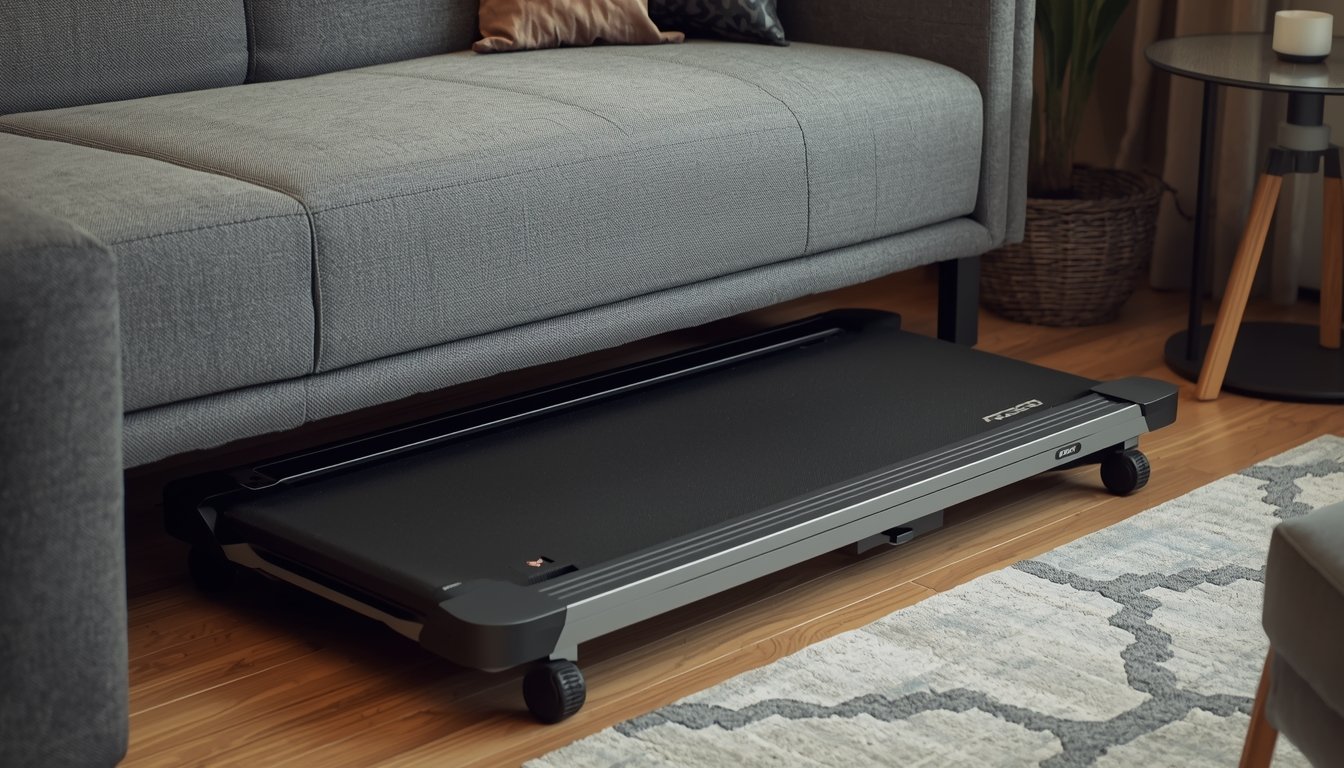
Yes, a walking pad can be used in a shared space or apartment, but it depends on how well you manage noise, vibration, and placement. With the right setup and usage habits, most people can use one without causing disruption to others.
What to Consider in Shared Living Environments
The biggest concern in shared spaces is not the size of the walking pad, but how it affects the people around you. Even though walking pads are relatively quiet, they still produce sound and vibration that can carry through walls and floors.
In apartments or shared homes, this is especially important if you are using the walking pad near common areas like living rooms or bedrooms. Footstep impact can create a low, repetitive noise that becomes noticeable over time, even if the motor itself is quiet.
Surface type also plays a role. Hard floors tend to transmit vibration more easily, while carpet can absorb some of the impact. If you are unsure how your flooring affects this, this guide on walking pad use on hard floor vs carpet explains the difference in more detail.
Another factor is timing. Using a walking pad during normal daytime hours is usually fine, but early morning or late evening use can be more disruptive in shared environments.
Space can also be a limiting factor in shared environments. This breakdown of walking pads for small apartments includes compact options that are easier to fit into tighter or shared setups.
How to Reduce Noise and Make It More Practical
If you want to use a walking pad in a shared space, small adjustments can make a big difference in how noticeable it is.
- Use a dense mat to reduce vibration and noise transfer
- Keep walking speeds low and steady
- Position the walking pad away from shared walls or floors
- Wear cushioned shoes to soften foot impact
- Limit use during quiet hours
A protective mat is one of the most effective solutions. It helps absorb impact and reduces how much vibration travels through the structure of the building.
Positioning is also important. Placing the walking pad in a corner or against an internal wall can help minimise how sound travels to other rooms. In shared apartments, even small changes in placement can reduce how noticeable the noise is.
In shared spaces, keeping noise and disruption to a minimum is one of the biggest factors to consider. This guide to quiet walking pads for office use focuses on models designed to run more quietly and fit better into shared environments.
When a Walking Pad Might Not Be Suitable
While walking pads work well in many shared environments, there are situations where they may be less practical.
- Very thin walls or floors with poor sound insulation
- Highly sensitive housemates or neighbours
- Limited space where the walking pad cannot be positioned properly
- Frequent need for quiet, uninterrupted environments
In these cases, you may need to adjust how often you use the walking pad or consider alternative times when it is less likely to disturb others.
The key is finding a balance between staying active and maintaining a comfortable shared environment. With the right setup, most people can use a walking pad in a shared space without major issues.