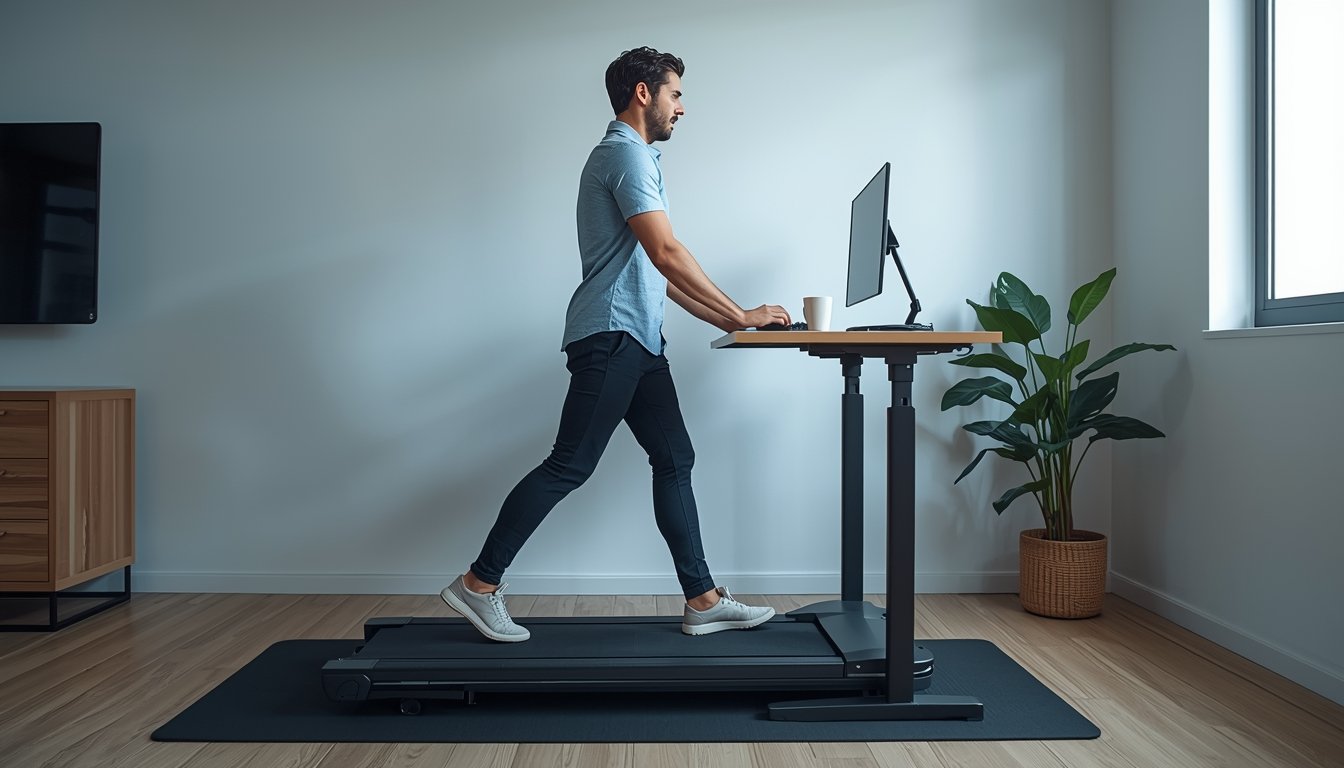
What Features Matter Most in a Walking Pad for Desk Use
The most important features in a walking pad for desk use are stability, quiet operation, compact size, and ease of control. These directly affect how comfortable it is to walk while working and whether you can use the machine consistently without disruption.
Many walking pads offer extra features, but not all of them improve the experience in a work setting. Focusing on the right features from the start helps you avoid buying something that feels awkward, noisy, or difficult to use during daily tasks.
Why These Features Matter
Using a walking pad while working is very different from using a treadmill for exercise. You are not focused on speed or intensity. Instead, you need a setup that allows you to stay balanced, concentrate on your tasks, and move naturally without thinking about the machine.
If the walking pad is unstable, too noisy, or difficult to control, it quickly becomes distracting. This can make it harder to work and reduce how often you use it. Over time, this is usually the reason people stop using a walking pad rather than any physical limitation.
The goal is to make walking feel like a natural part of your workday. When the right features are in place, you can walk at a steady pace without adjusting your posture, losing focus, or dealing with unnecessary interruptions.
Your setup also plays a role. For example, if your desk height and positioning are not aligned properly, even a well-designed walking pad can feel uncomfortable. This is why it helps to understand how everything fits together, especially if you are planning to use it with a desk as explained in this guide on walking pads with standing desks.
Most Important Features to Prioritise
When choosing a walking pad for desk use, a few key features consistently make the biggest difference in daily comfort and usability.
- Stable walking surface that does not shift or feel uneven during use
- Quiet motor that does not interfere with work or calls
- Low-profile design that fits easily under a desk
- Simple speed controls for quick adjustments without stopping
- Compact size that suits smaller home office setups
Stability is often the most noticeable factor. If the walking pad feels solid underfoot, it is much easier to walk and work at the same time. A stable unit reduces distraction and helps maintain a consistent walking rhythm.
Noise is equally important, especially in shared spaces or home offices. Even a moderately quiet walking pad can become distracting if the sound is inconsistent or amplified by the floor surface.
Ease of control is another practical feature. Being able to adjust speed quickly allows you to match your pace to your task, whether you are typing, reading, or on a call.
Features That Matter Less for Most People
Some features are often highlighted in product descriptions but are less important for desk-based use. These may still have value, but they should not be the deciding factor.
- High maximum speed designed for jogging rather than walking
- Advanced app features that are rarely used during work
- Complex display panels with more data than needed
- Large frame designs that take up more space
Higher speeds are one of the most common examples. While they may seem useful, most people do not use them when working. Walking at a steady, lower speed is far more practical for maintaining focus and balance.
App connectivity and advanced tracking features can be useful for some users, but they are not essential for everyday use. In many cases, these features add complexity without improving the core experience.
The same applies to larger designs. While they may feel more robust, they are often harder to fit into a home office and less convenient to store, which can reduce how often you use the walking pad.
How to Match Features to Your Situation
The right combination of features depends on how you plan to use the walking pad and the type of space you have available.
If you are working in a small home office, compact size and easy storage will be more important than advanced features. A slim, portable walking pad that fits neatly under your desk is usually the best option.
If noise is a concern, especially in apartments or shared spaces, prioritising quiet operation and using a stable surface can make a noticeable difference. Even a good walking pad can feel noisy if the setup is not right.
For longer daily use, stability and comfort become more important. A slightly heavier or higher-capacity model may feel more solid and easier to use over time, even if it is less portable.
In most cases, the best approach is to focus on features that support your daily routine rather than features that look impressive on paper. The easier the walking pad is to use, the more likely you are to use it consistently.
Final Thoughts
The features that matter most in a walking pad for desk use are the ones that make it comfortable, quiet, and easy to use in a real workspace. Stability, noise control, size, and simple operation will have a much bigger impact than advanced or high-performance features.
Choosing based on these factors helps ensure the walking pad fits naturally into your routine rather than becoming something you have to adjust around. Over time, this makes it easier to stay consistent and get the most value from your setup.