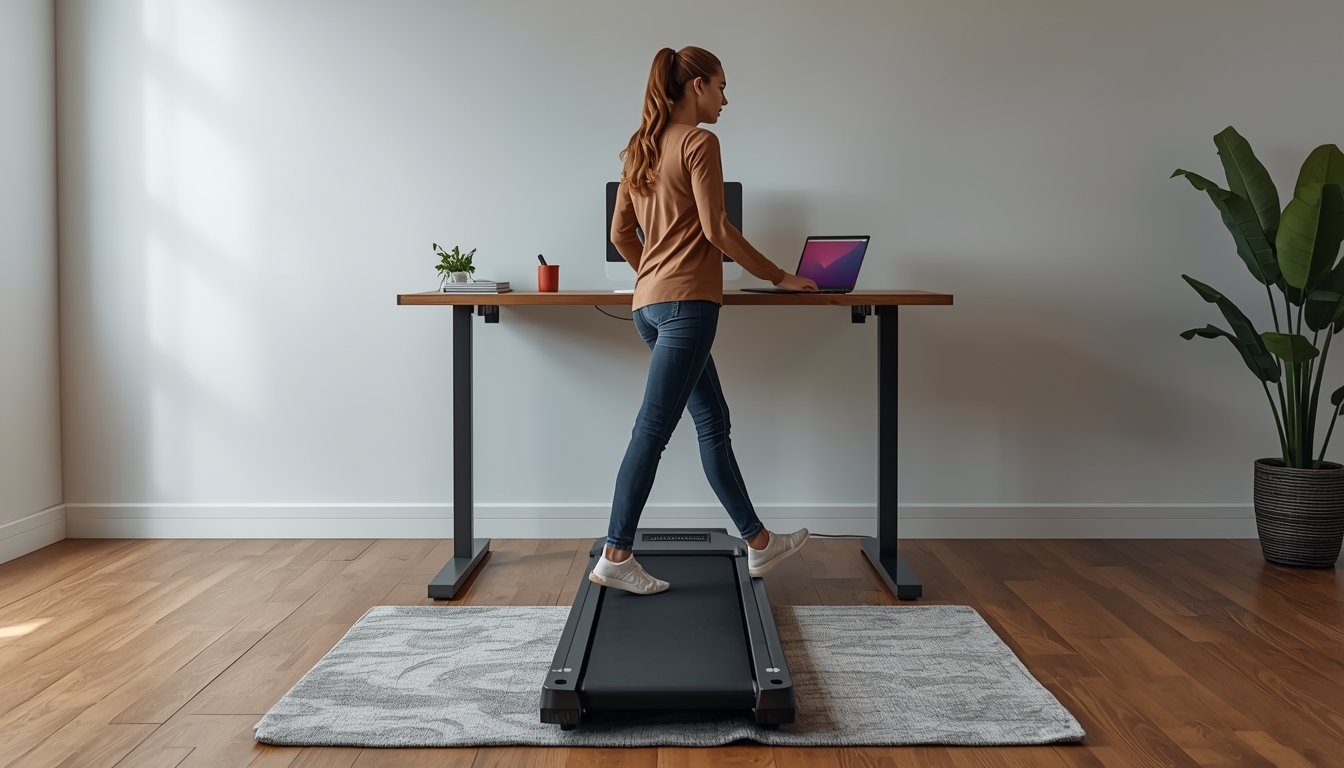
Most walking pads are designed to be easy to move, especially compared to full treadmills. With built-in wheels and a slim profile, you can usually roll them between rooms without lifting, but how easy it feels depends on weight, floor type, and your layout.
What Makes a Walking Pad Easy (or Difficult) to Move
The biggest factor is whether the walking pad has transport wheels. Most modern models include them, which means you can tilt the unit slightly and roll it rather than carry it. This makes a big difference in daily use, especially if you are moving it in and out of storage.
Weight still matters, though. Even with wheels, heavier models can feel awkward to tilt and control, particularly in tight spaces. Lighter, low-profile walking pads are generally easier to handle and require less effort to reposition.
Floor type also affects how easily the walking pad moves. On hard flooring, rolling is usually smooth and straightforward. On carpet, especially thicker carpet, the wheels may not glide as easily, which can make movement feel more resistant.
Space plays a role as well. Narrow hallways, tight corners, or cluttered rooms can make moving the walking pad less convenient. If you are planning to move it regularly, it helps to have a clear path between where you use it and where you store it. This is something to think about alongside your overall setup, especially if you are working with limited space as explained in this guide on how much space you need for a walking pad.
What Moving a Walking Pad Feels Like in Daily Use
In most homes, moving a walking pad becomes part of a simple routine. You roll it out, position it under your desk, and then roll it back into storage when you are done.
For many users, the process looks like this:
- Tilt the walking pad slightly to engage the wheels
- Roll it into position under the desk
- Use it as needed during the day
- Roll it back under a bed, couch, or against a wall
If the walking pad is lightweight and your floor is smooth, this can take less than a minute. However, if the unit is heavier or the path is obstructed, it can feel more like a task than a quick adjustment.
One common issue is needing to reposition furniture or navigate tight spaces. This can make moving the walking pad less convenient, which may reduce how often you use it. The easier it is to move, the more likely you are to use it consistently.
When Moving a Walking Pad Becomes Less Practical
While most walking pads are portable, there are situations where moving them regularly is less practical.
- Heavier models that require more effort to tilt and roll
- Thick carpet that makes wheels harder to move
- Limited space with obstacles or tight walkways
- No clear storage area, requiring frequent repositioning
In these cases, some users choose to leave the walking pad set up in one place rather than moving it daily. This can make it more convenient to use, but it depends on whether you have enough space to leave it out.
The key is matching the walking pad to your environment. A lightweight, compact model with good wheels will always be easier to move, while larger or heavier units may feel less practical in smaller homes.
Related Guides